Unlocking the Magic of Osso Buco: The Cut and Its Promise
Few dishes evoke the warmth, richness, and culinary comfort quite like a perfectly executed plate of
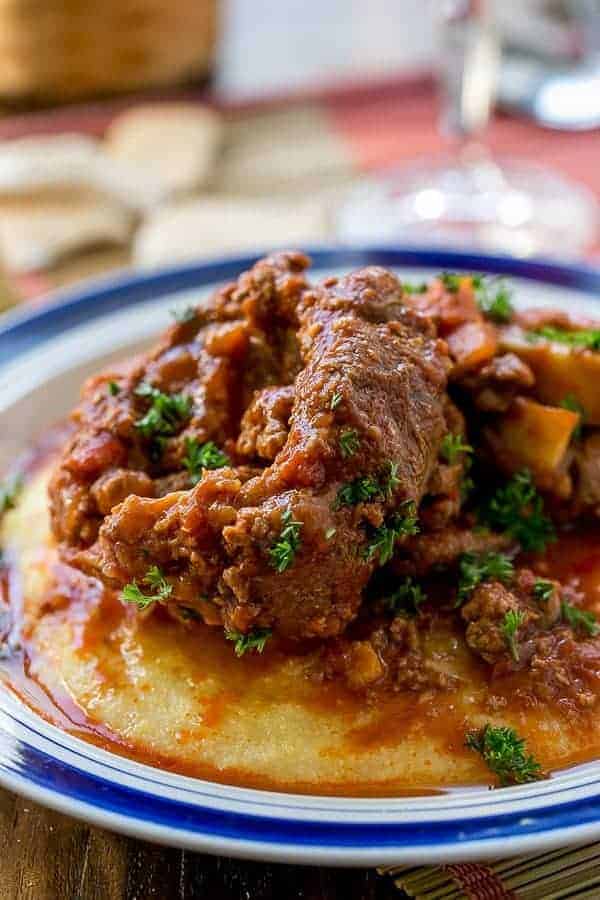
osso buco in red wine salsa with soft polenta. This Italian classic, originating from Lombardy, translates literally to "bone with a hole," a poetic nod to the central bone marrow that is the heart and soul of this luxurious stew. Far from being a mere meal, osso buco is an experience – a testament to the transformative power of slow cooking, turning humble cuts of meat into an unbelievably tender, melt-in-your-mouth delicacy.
The secret to its profound depth of flavor and signature tenderness lies within these cross-cut shanks, typically from veal, though beef shanks are a popular and equally delicious alternative. As the meat slowly braises, the connective tissues break down, rendering the meat impossibly succulent. Simultaneously, the precious bone marrow within the shank slowly melts, enriching the surrounding sauce with an unparalleled, almost buttery umami. This isn't just a sauce; it's a luscious "salsa" in the Italian sense – a hearty, flavour-packed accompaniment that begs to be soaked up by creamy polenta.
Building the Foundation: Crafting the Red Wine Salsa
The journey to an unforgettable osso buco begins with laying a robust flavor foundation for the red wine salsa. This isn't about shortcuts; it's about layering simple, quality ingredients in the right sequence to build depth.
The Art of Browning: More Than Just Color
Before any liquids are introduced, the osso buco beef steaks must be seared deeply. This isn't just for aesthetics; it's a critical step that triggers the Maillard reaction, a complex chemical process that creates hundreds of new flavor compounds, resulting in that coveted "restaurant-level" savory crust. Take your time here – a golden-brown exterior means a more flavorful finished dish.
Aromatics: The Sweet Heart of the Sauce
Once the meat is seared, attention turns to the aromatics. Finely chopped brown onion, diced carrots, and crushed garlic form the classic mirepoix, or soffritto in Italian. Sautéing these vegetables slowly in garlic olive oil until the onions are transparent and sweet is essential. Their natural sugars caramelize, adding a foundational sweetness and warmth that will underpin the entire red wine salsa.
The Red Wine Element: Depth and Acidity
A splash of dry red wine – typically about a quarter cup per batch – is then added to the pan. This isn't just for flavor; it's a multi-tasker. As it simmers and reduces, the wine deglazes the pan, lifting all those delicious browned bits from the bottom, incorporating them into the nascent sauce. More importantly, it adds body, balances the sweetness of the tomatoes, and contributes a sophisticated depth to the braise. Opt for a dry red like Merlot, Cabernet Sauvignon, or Pinot Noir – something you’d enjoy drinking. For more detailed tips on selecting and using wine in cooking, explore our article on
Easy Red Wine Osso Buco: Restaurant Flavor, Home Cook Effort.
The Tomato Base: Richness and Body
The final cornerstone of the salsa is the tomato base. While some recipes suggest condensed tomato soup for convenience, for a truly rich and authentic flavor, crushed tomatoes, a good quality pasta sauce, or even passata are superior choices. A tablespoon of concentrated tomato paste, browned briefly with the aromatics before adding the liquid, further intensifies the tomato flavor, ensuring the sauce becomes glossy and full-bodied without feeling heavy. A touch of vegetable stock powder and water helps bring the liquid level to where it needs to be for the long simmer.
The Art of the Slow Simmer: Achieving Fall-Apart Tenderness
With the flavor base established, the true magic of osso buco begins: the slow simmer. This is where patience is your most valuable ingredient.
Once all the salsa ingredients are in the pan, bring it to a gentle simmer for about five minutes. Then, cover the pan tightly with a lid, reduce the heat to its lowest setting, and let the dish gently braise. The recommended time is typically 1 to 1.5 hours, but true tenderness can sometimes take longer, especially with beef shanks. The goal is "fall-apart tender" – when the meat practically slides off the bone with the lightest touch.
During this slow cooking process, the low heat gently breaks down the tough collagen fibers in the meat, transforming them into gelatin. This is what gives osso buco its characteristic melt-in-your-mouth texture and also contributes to the silky mouthfeel of the red wine salsa. Resist the urge to rush this step; it's the key to achieving that restaurant-quality tenderness that defines a magnificent osso buco. Taste and adjust seasoning with salt as needed towards the end of the cooking time.
Perfecting the Polenta: A Creamy Canvas for Your Osso Buco
While the osso buco slowly braises, it’s time to turn your attention to its ideal companion: creamy, soft polenta. This seemingly simple side dish is more than just a carb; it’s the perfect, comforting canvas to absorb every last drop of the rich red wine salsa.
There are different types of polenta, from coarse ground to instant. For a truly luxurious texture, opt for a medium or fine ground cornmeal, not the instant variety, and follow the package instructions closely for liquid ratios. The secret to exceptionally creamy polenta lies in constant stirring and the right balance of liquid.
Tips for Ultra-Creamy Polenta:
- Gradual Addition: Whisk the polenta gradually into boiling salted water or stock to prevent lumps.
- Constant Stirring: Stir frequently, especially during the initial stages, to prevent sticking and ensure even cooking.
- Low and Slow: Cook the polenta over low heat, allowing it to gently simmer and absorb the liquid. This can take anywhere from 20 to 45 minutes for traditional polenta.
- Enrichment: Just before serving, stir in a generous knob of butter and a handful of freshly grated Parmesan cheese. This adds unparalleled richness and flavor.
The consistency you're aiming for is soft, pourable, and utterly smooth, providing the perfect counterpoint to the robust osso buco. For those seeking alternative pairings, creamy mashed potatoes or even a simple risotto Milanese (traditionally served with osso buco) are also fantastic, but for true absorption of the rich salsa, soft polenta reigns supreme. Learn more about pairing and crafting the perfect accompaniment in our guide:
Melt-in-Your-Mouth Osso Buco with Rich Red Wine Sauce & Polenta.
Serving, Savoring, and Storing Your Culinary Masterpiece
Serving your
osso buco in red wine salsa with soft polenta is the crowning moment. Ladle a generous portion of the creamy polenta onto a wide, shallow bowl. Then, nestle one or two of the tender osso buco steaks directly on top, ensuring a generous amount of the rich red wine salsa cascades over both the meat and the polenta. The presentation alone is enough to elicit sighs of delight.
Garnishing for Impact:
Garnish simply with a sprinkle of fresh chopped parsley. For an extra layer of brightness and traditional flair, consider a gremolata: a vibrant mix of finely chopped fresh parsley, lemon zest, and minced garlic. This fresh, zesty topping cuts through the richness of the dish beautifully.
The Magic of Leftovers:
One of the most appealing aspects of osso buco is that it often tastes even better the next day. The flavors continue to meld and deepen overnight, making it a fantastic dish for meal prepping or entertaining. Simply refrigerate leftovers in an airtight container for up to 3 days. For longer storage, this dish freezes exceptionally well for up to 3 months, making it perfect for those busy weeknights when you crave a gourmet meal with minimal effort.
Conclusion
Creating tender
osso buco in red wine salsa with soft polenta is a rewarding culinary endeavor that brings the warmth and tradition of Italian cooking into your home. It’s a dish that demands a little patience but generously repays it with unparalleled flavor and tenderness. By understanding the role of each ingredient, mastering the art of slow braising, and perfecting your creamy polenta, you'll unlock the secrets to a dish that will impress and comfort in equal measure. So gather your ingredients, take your time, and prepare to savor every exquisite bite of this timeless classic.